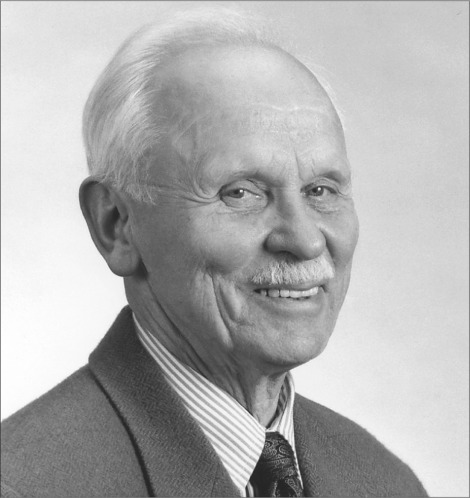
Martti Karvonen
"Training intensity is relative to your reserve, not just your maximum."
Related Tools & Articles
Biography
Martti J. Karvonen (June 24, 1918 – March 10, 2009) was a distinguished Finnish medical scientist, exercise physiologist, and epidemiologist. While not a competitive runner himself, his influence on the running world is immeasurable. He is most famous for developing the Karvonen Formula, a mathematical method for determining target heart rate zones that accounts for resting heart rate, providing a more accurate measure of exercise intensity than using maximum heart rate alone.
In 1957, Karvonen published his seminal study, 'The Effects of Training on Heart Rate: A Longitudinal Study'. This research demonstrated that for aerobic training to be effective, intensity must be calculated based on the Heart Rate Reserve (HRR) — the difference between maximum and resting heart rates. This concept became the foundation of modern heart rate-based training programs used by runners and endurance athletes worldwide to this day.
Beyond exercise physiology, Karvonen was a major figure in public health. He served as the principal investigator for the Seven Countries Study in Finland and played a key role in the North Karelia Project, a massive public health initiative that significantly reduced cardiovascular disease mortality in Finland. His work helped establish the link between lifestyle factors like diet, exercise, and heart health.
Karvonen served as the Director of the Institute of Occupational Health in Helsinki and later worked for the World Health Organization (WHO). He dedicated his life to understanding human performance and promoting health through science. He passed away in 2009 at the age of 90, leaving behind a legacy that continues to guide how athletes train every day.
Key Achievements
Quotes
"Training intensity is relative to your reserve, not just your maximum."
"To improve, you must train at a sufficient intensity relative to your own capacity."
"Cardiovascular health is a lifelong pursuit."